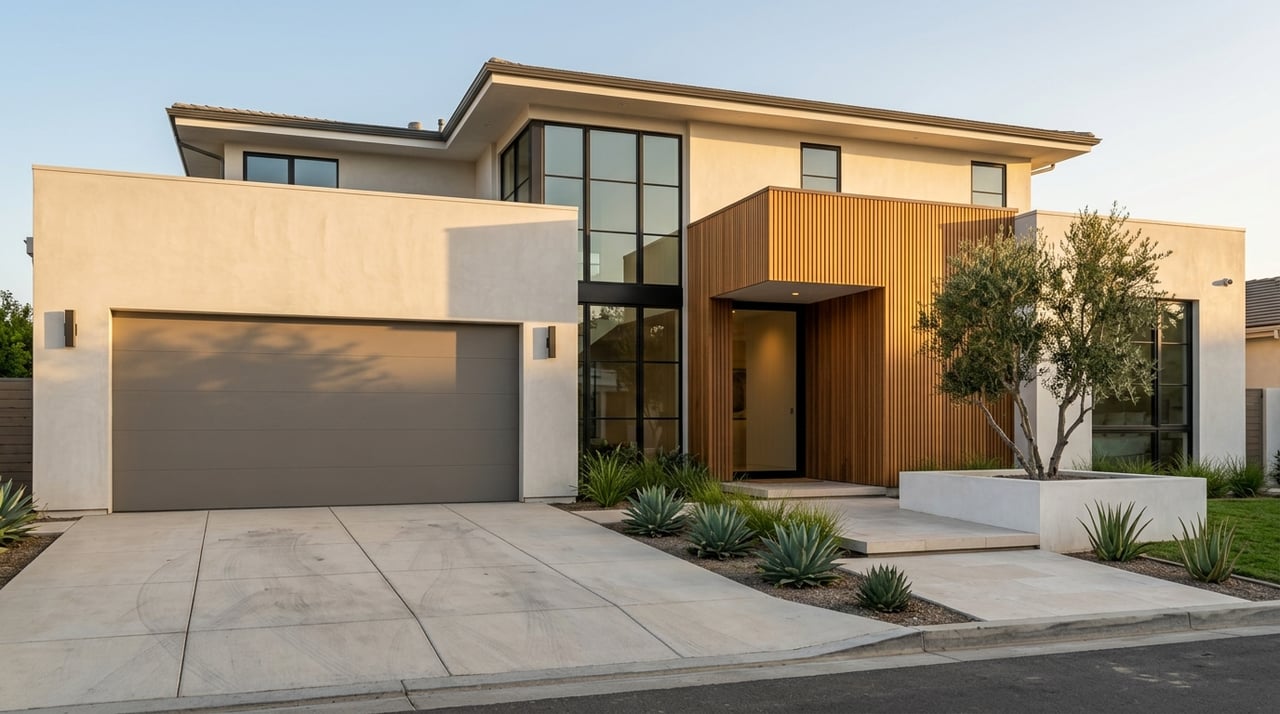
If you are selling a luxury home in Dana Point, pricing is not a small detail. It is one of the biggest factors shaping how quickly your property gets attention, how strongly buyers respond, and how much negotiating power you keep. In a market where view quality, renovation level, and true harbor access can shift value in a major way, the right strategy matters from day one. Let’s dive in.
Dana Point luxury pricing works differently
Dana Point does not behave like the broader Orange County market. According to Redfin’s Dana Point housing market data, the median sale price was $2.05 million in February 2026, with median days on market at 99 and a 96.2% sale-to-list ratio.
That matters because luxury homes usually move on a different timeline than the citywide average. An Orange County housing report defines luxury as the top 10% of the market and, in 2025, set that threshold above $2.5 million. The same report estimated market time at 228 days for luxury listings overall, with longer timelines as price points rise.
If your home falls into that tier, pricing too aggressively can cost you early momentum. In a smaller buyer pool, the market tends to respond quickly to overpricing and more slowly to later corrections.
Why first-week pricing matters
Luxury buyers in Dana Point are usually informed, selective, and comparison-driven. They are not only looking at square footage and bedroom count. They are also comparing view lines, renovation quality, privacy, and how the home fits a specific coastal lifestyle.
That is why the opening price needs to feel credible the moment your property hits the market. Redfin reports that homes in Dana Point sell for about 3% below list on average, around 13.3% have price drops, and hot homes can go pending in about 23 days, while many others take much longer to gain traction.
In other words, buyers may negotiate, but they still reward listings that enter the market with a clear, supportable value story. A luxury home that launches too high often has to work much harder to recover.
Start with the right comp set
The most important rule in pricing a luxury home is simple: compare your property to homes that truly compete with it. In Dana Point, that means looking past broad city averages and focusing on homes with similar positioning, views, condition, and access.
A bluff-top estate, a golf-course-view home, and a harbor-adjacent property may all be luxury listings, but they are not interchangeable. If your comp set is too broad, your pricing strategy will be too.
Separate view categories carefully
View premiums in coastal markets can be substantial, but there is no flat formula. A Journal of Sustainable Real Estate study found that ocean-view premiums can range from 8% to 59% depending on view quality and distance.
That range is a useful reminder for Dana Point sellers. A partial ocean glimpse, a golf-course backdrop, a harbor outlook, and a true oceanfront or bluff-top panorama should be treated as different pricing categories, not grouped together under one generic “view home” label.
The local sales examples in the research make that clear. A beachfront Beach Road estate with ocean, harbor, and Catalina views sold for $5.094 million, while a bluff-top Monarch Bay estate with expansive ocean and Catalina views sold for $20.3 million. Those are both premium properties, but they sit in very different pricing conversations.
Don’t over-credit coastal proximity
Being near the coast is valuable, but buyers often pay more for actual usability than for a vague location label. Dana Point’s planning materials highlight a pedestrian-oriented town center and stronger links between the harbor, beaches, and surrounding areas, while the city also notes amenities like the Bluff Top Trail and harbor-area planning improvements.
For pricing, that means your home should get credit for documented access, not assumed access. A property with a defined pedestrian path, easy harbor connection, or practical beach access may justify stronger positioning than a home that is simply in the same zip code.
Renovation level changes buyer math
In the luxury tier, condition is not just cosmetic. Buyers often place a premium on homes that feel turnkey, especially when design, finishes, and maintenance items support a clean move-in experience.
The 2025 NAR Remodeling Impact Report found that REALTORS most often recommend painting, roofing, kitchen upgrades, and bathroom renovations before selling. It also noted increased demand for kitchen upgrades, full interior paint, bathroom renovations, and new roofing.
That aligns with the Dana Point examples in your market. Renovated homes like 42 Via Corsica, 22 Via Monarca, and 28 Vista Sole were able to tell a stronger value story because buyers could clearly see the lifestyle and condition upgrades.
Renovate with purpose, not emotion
Not every pre-listing project will raise your sales price enough to justify the cost. The best updates usually solve a clear buyer objection or improve how the home competes against nearby alternatives.
Before you invest, ask:
- Does this update remove a visible weakness?
- Will buyers notice it immediately during showings or marketing?
- Does it improve turnkey appeal in a meaningful way?
- Will it strengthen the home’s position against likely comps?
In many cases, paint, kitchens, baths, and roofing carry more pricing weight than highly personal or overly niche upgrades.
What recent sales suggest about pricing strategy
Dana Point sales offer a useful mix of positive and cautionary examples. The pattern is not that every luxury home should price low. It is that every luxury home should price precisely.
When the price aligns with the comp set, buyers can respond quickly. When the opening number drifts too far above market reality, time and reductions often follow.
Examples of pricing that worked
The sale of 42 Via Corsica is a strong example of immediate market absorption. It listed at $4.985 million, went pending the next day, and sold for the full asking price on Sept. 19, 2025.
Another example is 22 Via Monarca, which sold for $4.35 million after a $4.25 million list price and 21 days on market. That suggests buyers were willing to compete when the home’s value story felt compelling.
There is also 28 Vista Sole, which sold for $3.625 million after a $2.999 million starting price. But this one is better read as an auction-style result tied to strategy and presentation, not as a standard pricing template most sellers should copy.
Examples of pricing that missed
The cautionary side matters just as much. 35611 Beach Rd was listed at $6.2499 million and later sold for $5.094 million after reductions.
At the ultra-luxury end, 67 Monarch Bay was listed as high as $28.8 million before selling at $20.3 million after multiple cuts. That is a strong reminder that even exceptional properties are not immune to pricing pressure.
In a thin buyer pool, high-end homes do not get endless pricing forgiveness. If the number is not grounded in a realistic comp analysis, the market usually tells you.
A smart luxury pricing framework
If you are getting ready to list, your pricing strategy should combine market data with property-specific adjustments. In Dana Point, that usually means building from a narrow, highly relevant comp set and then refining the number based on the home’s specific strengths and limitations.
A practical framework often includes:
- Defining your true luxury segment based on likely buyer pool and price band.
- Choosing close comps with similar views, access, size, renovation level, and location context.
- Adjusting for what buyers actually value, such as protected views, walkability, or turnkey condition.
- Testing the opening price against expected days on market and negotiation patterns.
- Launching with strong presentation so the list price feels supported from the first showing.
That last step matters more than many sellers realize. In a premium coastal market, pricing and presentation work together. If the home is priced like a standout property, it also needs standout visual storytelling to support that position.
Why presentation supports price
Luxury pricing is easier to defend when buyers can immediately understand what makes the home special. Professional photography, strong video, and a clear narrative around views, design, layout, and access help buyers connect the asking price to the experience of living there.
For a Dana Point property, that may mean highlighting the difference between a filtered water view and a sweeping ocean panorama. It may also mean showing how the home connects to outdoor living, beach paths, or harbor-oriented amenities in a way that feels concrete and credible.
This is where a design-aware, media-first strategy can support value. When buyers see the home clearly and understand its place in the market, the price has a better chance of feeling justified.
Should you price high and plan to reduce?
In most cases, that is a risky plan. The data points in the opposite direction.
Redfin shows that Dana Point already has a meaningful share of listings with price drops. Combine that with the Orange County report’s longer expected market times for luxury homes, and it becomes clear that starting too high can extend your timeline and weaken your negotiating position.
A better approach is usually to price where serious buyers will engage right away. You want enough room for negotiation without making the home look out of sync with the market.
The Dana Point takeaway
Selling a luxury home in Dana Point is not about finding the highest possible list price on paper. It is about finding the price that the market will respect, the buyer pool will engage with, and your marketing can fully support.
That means treating view type carefully, giving real weight to renovation level, documenting true harbor or beach access, and using recent luxury comps with precision. When those pieces line up, you give your home the best chance to launch with strength and sell on better terms.
If you are preparing to sell in Dana Point and want a pricing strategy backed by local market insight, elevated presentation, and clear transaction guidance, connect with ER². Their boutique, media-forward approach is built to help luxury sellers position standout homes with confidence.
FAQs
How should you price a luxury home in Dana Point?
- Start with highly comparable luxury sales, then adjust for view type, renovation level, access, and current market pace rather than relying on broad city averages.
How much value does an ocean view add in Dana Point?
- There is no fixed amount. Research shows view premiums vary widely based on view quality and distance, so full oceanfront, bluff-top, partial, harbor, and golf-course views should be priced separately.
Does harbor proximity increase Dana Point home value?
- It can, but the strongest pricing support usually comes from real walkability or direct access to the harbor and beaches, not just a general coastal location.
Should you renovate before listing a Dana Point luxury home?
- Often yes, if the work improves turnkey appeal or removes a buyer objection, especially for kitchens, bathrooms, paint, or roofing.
Is it smart to overprice a luxury listing in Dana Point and reduce later?
- Usually no. In Dana Point’s luxury market, overpricing can slow early interest, lead to reductions, and make it harder to regain momentum later.