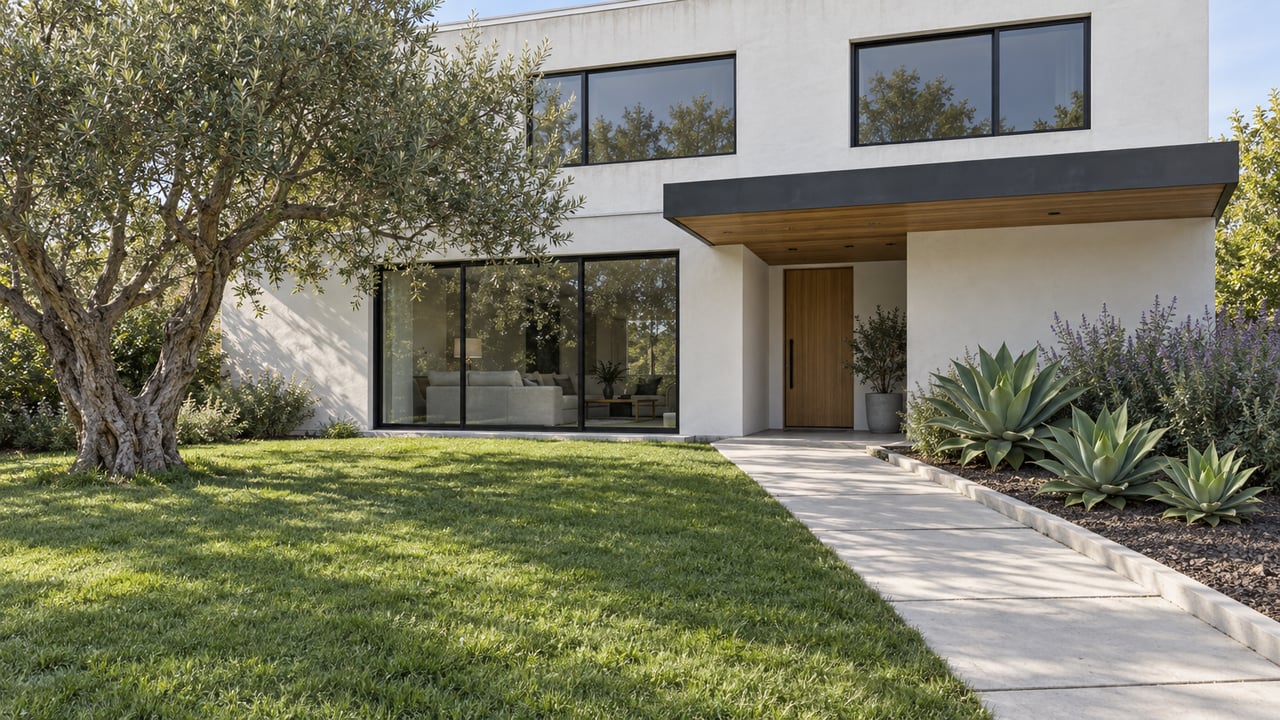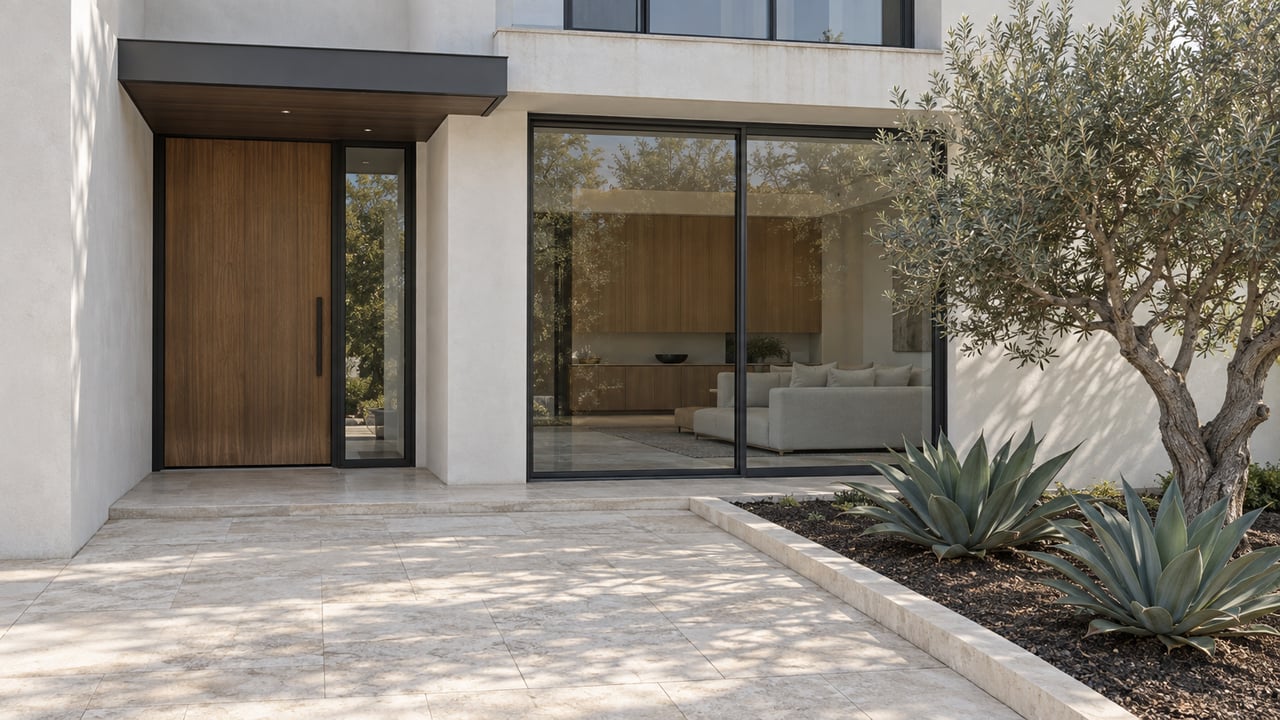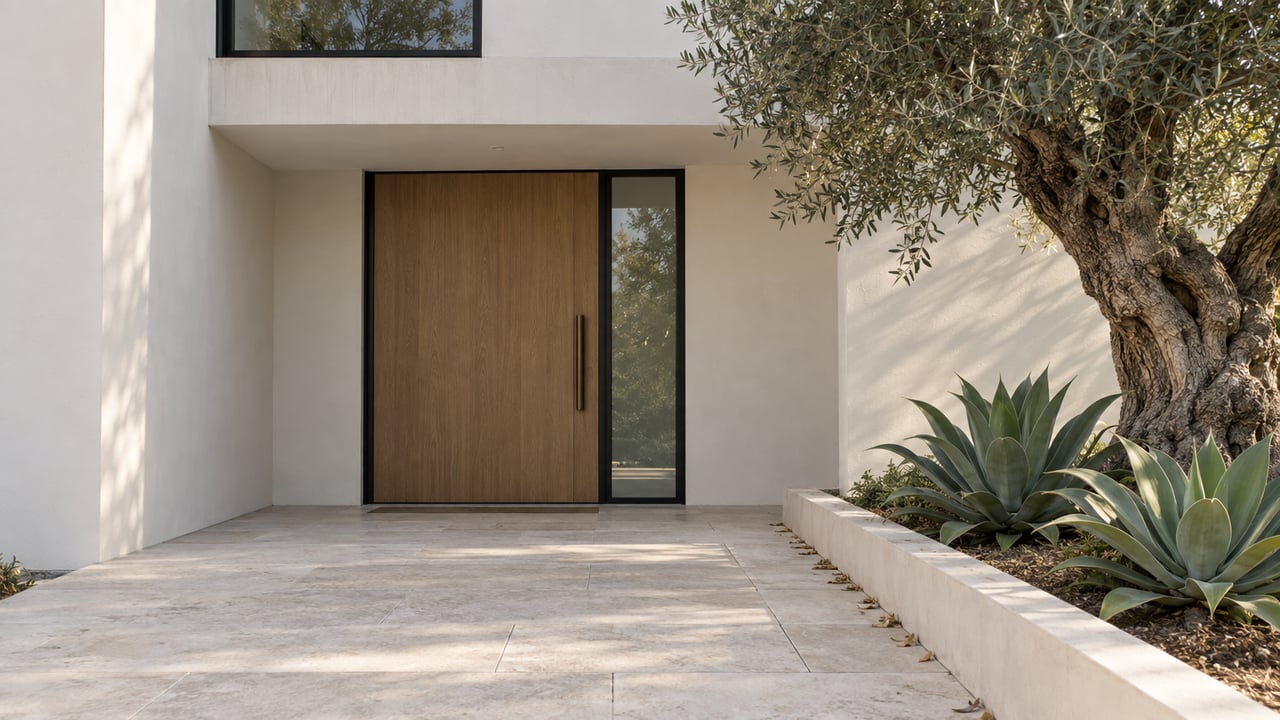
Are you asking buyers to picture a house, or to picture their next chapter in San Clemente? In a coastal market where lifestyle matters just as much as layout, the way your home looks before it hits the market can shape how quickly buyers connect with it. With the right staging plan, you can help your home feel brighter, calmer, and more aligned with what San Clemente buyers are already looking for. Let’s dive in.
Why staging matters in San Clemente
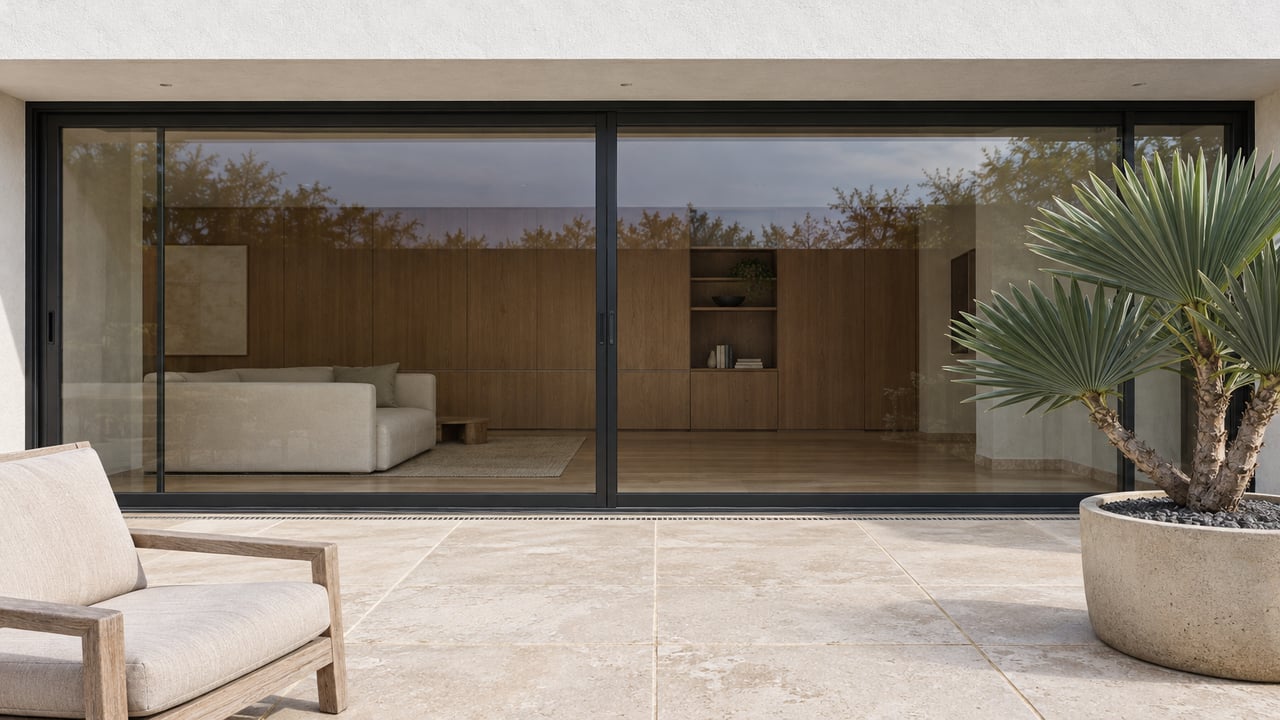
San Clemente is closely tied to outdoor living, from the Pier and North Beach to local golf and open-air recreation. That means buyers often respond to homes that feel easy, polished, and connected to the outdoors.
Staging helps tell that story clearly. According to the National Association of Realtors' 2025 Profile of Home Staging, 83% of buyers' agents said staging makes it easier for buyers to visualize a property as a future home. That matters in a market where first impressions often happen through photos, video, and private showings.
Staging is also not just about looks. A 2025 NAR press release found that nearly 3 in 10 agents said staging increased the dollar value offered by 1% to 10%, and 49% said staging reduced time on market. If you plan to sell in the coming months, staging deserves a place on your pre-listing checklist.
Lead with the coastal lifestyle
In San Clemente, your staging should do more than make rooms look neat. It should help buyers feel the rhythm of coastal living.
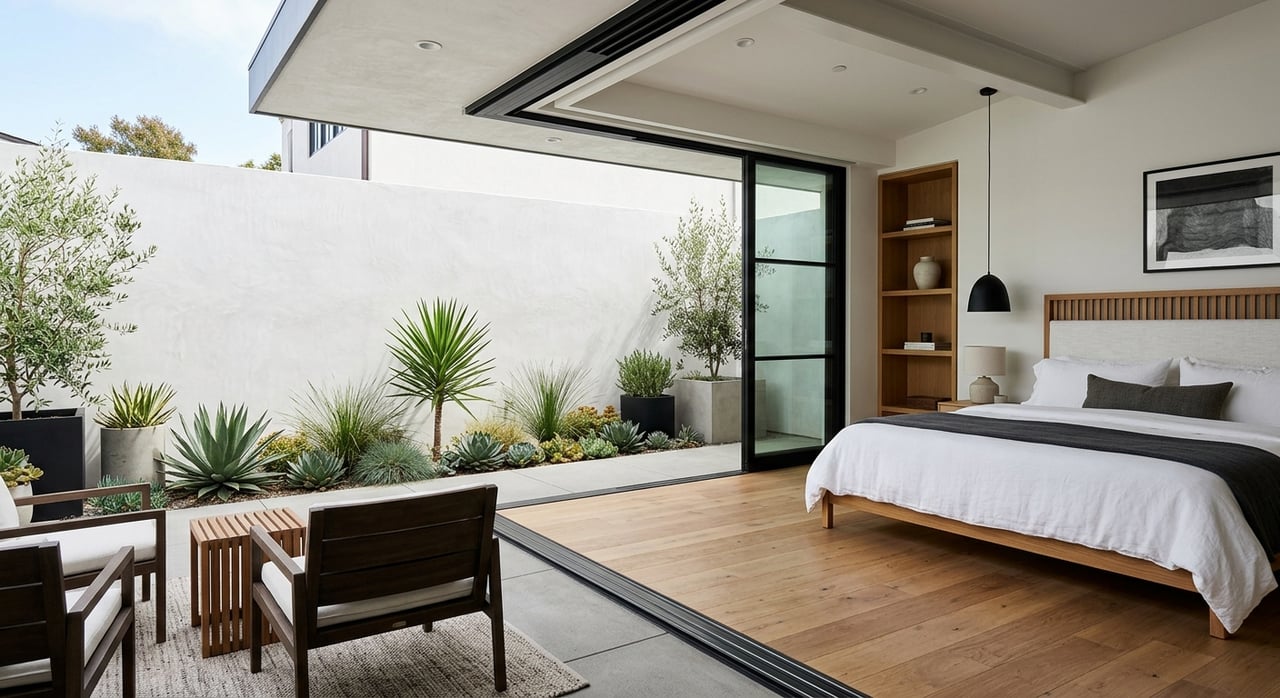
That usually means emphasizing indoor-outdoor flow, open sightlines, natural light, and simple, comfortable spaces. If your home has a patio, balcony, courtyard, deck, or view corridor, those features should feel intentional and usable, not like afterthoughts.
The goal is not to decorate around a beach theme. The goal is to present a home that feels relaxed, refined, and ready for everyday living near the coast.
Start with the highest-impact rooms
If you have the time and budget to stage the whole home, that can create a strong, cohesive presentation. But if you need to prioritize, the data gives you a clear order.
NAR's 2025 staging report found that buyers' agents ranked the living room as the most important room to stage at 37%, followed by the primary bedroom at 34% and the kitchen at 23%. That gives you a practical roadmap for where to focus first.
Stage the living room first
Your living room often carries the listing visually. It is one of the first spaces buyers see in photos, and it often sets the tone for the rest of the home.
Keep furniture scaled to the room and arranged to support conversation, circulation, and views. Clear away extra pieces that block windows or make the space feel crowded. In many San Clemente homes, the living room should feel bright, open, and visually connected to outdoor areas.
Refresh the primary bedroom
The primary bedroom should feel calm and uncluttered. Buyers are not looking for bold personality here. They are looking for comfort, simplicity, and a sense of retreat.
Use clean bedding, reduce furniture to the essentials, and remove highly personal items. A polished primary bedroom can help the entire home feel more cared for.
Simplify the kitchen
Kitchens do not need heavy decorating to make an impact. In fact, less is usually more.
Clear counters, remove visual clutter, and leave only a few intentional accents if needed. A clean kitchen reads better in person and on camera, and it helps buyers focus on storage, workspace, and layout.
Choose a light, neutral palette
Staging works best when buyers can picture themselves in the home. That is why neutral presentation tends to be the safest choice.
For San Clemente, a light and coastal-inspired palette usually fits best. Think soft whites, warm neutrals, simple textures, and a clean overall look. This approach supports the home's architecture and natural light without pulling attention toward loud colors or overly themed decor.
You do not need to turn your home into a showroom. You just want it to feel fresh, visually calm, and broadly appealing.
Declutter before you decorate
The best staging usually starts before any pillows, art, or accessories come out. NAR's staging report highlights common seller prep items such as decluttering, fixing property faults, painting walls and touch-ups, depersonalizing, carpet cleaning, minor repairs, whole-home cleaning, curb appeal work, and professional photos.
That list matters because clutter and deferred maintenance can distract buyers fast. Before styling begins, remove visual noise and take care of the small issues that make a home feel dated or less maintained.
Focus on these pre-staging basics
- Remove extra furniture that makes rooms feel tight
- Clear countertops, shelves, and entry surfaces
- Pack away personal photos and highly specific decor
- Touch up paint where walls show wear
- Clean carpets and floors
- Fix minor cosmetic issues like loose hardware or scuffed areas
- Deep clean kitchens, baths, and windows
These steps help your home look better in person, but they are especially important for photography.
Treat outdoor areas like living space
In San Clemente, outdoor staging is not optional if you want to present the full value of the home. Outdoor and yard space are among the commonly staged areas in the NAR report, and that fits naturally with this market.
Patios, balconies, decks, courtyards, and front entries should look clean, functional, and camera-ready. Buyers should be able to imagine morning coffee, easy entertaining, or a quiet evening outside.
Outdoor staging tips for San Clemente homes
- Clean all hard surfaces and outdoor furniture
- Remove hoses, beach gear, and storage clutter
- Keep seating simple and scaled to the space
- Open view corridors toward the hills, fairway, courtyard, or horizon
- Make pathways and transitions feel easy and unobstructed
If your home is near beach access or has multiple stairs outdoors, clean circulation matters even more. A property that feels easy to move through can leave a stronger impression.
Make views the hero
If your home has an ocean glimpse, hillside backdrop, golf outlook, or courtyard focal point, staging should support that feature, not compete with it.
Avoid oversized furniture, heavy window treatments, or too many decorative elements that interrupt sightlines. In many San Clemente listings, the strongest design move is simply creating enough visual breathing room for the setting to stand out.
This is especially true for elevated homes, golf-adjacent properties, and homes with indoor-outdoor entertaining areas. When the view is part of the value, it should stay front and center.
Plan staging around media
Staging and media should work together. NAR's 2025 report found that photos were viewed as important by 73% of buyers' agents, followed by traditional physical staging at 57%, videos at 48%, and virtual tours at 43%.
For a brand like ER², that matters even more. Media-forward marketing is most effective when the home is fully prepared before the camera arrives.
Use this pre-listing sequence
- Deep clean the home
- Declutter and depersonalize
- Handle small repairs and touch-ups
- Stage the most important rooms
- Stage outdoor spaces and clear view lines
- Schedule photos and video only after the home is camera-ready
This order helps every marketing asset work harder from day one.
Create a smart staging budget
You do not always need a full-scale staging plan to make a meaningful difference. Targeted staging can go a long way, especially when you focus on the spaces buyers notice first.
NAR found that the median spend when using a staging service was $1,500, compared with $500 when the seller's agent personally staged the home. That suggests you can make strategic choices based on your goals, timeline, and property type.
If your budget is limited, put your money where it shows up most clearly in listing media and buyer walkthroughs. In many cases, that means the living room, primary bedroom, kitchen, and outdoor areas.
Common staging mistakes to avoid
Even well-intended sellers can miss the mark if they stage for personal taste instead of buyer clarity. In a coastal market, restraint usually performs better than over-styling.
Watch out for these common issues:
- Too much furniture in key rooms
- Heavy beach-themed decor that feels forced
- Bright paint colors that distract from the space
- Clutter on bathroom and kitchen surfaces
- Outdoor areas used as storage instead of living space
- Booking photos before the home is fully ready
A cleaner, quieter presentation often feels more elevated and more expensive.
Staging should support your sale strategy
The best staging is not random. It should reflect how your home will be marketed and what buyers are likely to notice first.
In San Clemente, that often means presenting a home that feels bright, open, and connected to the outdoors. When staging supports strong photography, clear storytelling, and the specific strengths of your property, it becomes part of a larger listing strategy, not just a cosmetic step.
If you are preparing to sell, thoughtful staging can help buyers understand both the home and the lifestyle that comes with it. That is often where momentum starts.
When you are ready to position your San Clemente home with polished presentation and a media-first strategy, connect with ER² to schedule a consultation.
FAQs
What rooms should you stage first in a San Clemente home?
- Start with the living room, then the primary bedroom, then the kitchen. Those were the top-ranked spaces in NAR's 2025 staging report.
Why is outdoor staging important for San Clemente sellers?
- San Clemente is strongly associated with beach and outdoor living, so patios, decks, balconies, courtyards, and entries should feel clean, usable, and well presented.
How much does home staging usually cost before listing?
- According to NAR's 2025 staging report, the median spend was $1,500 when using a staging service and $500 when the seller's agent personally staged the home.
Does staging help your home sell faster?
- NAR's 2025 press release found that 49% of agents said staging reduced time on market.
What style works best when staging a San Clemente home?
- A light, neutral, coastal-inspired look usually works best because it helps buyers focus on the space, natural light, and indoor-outdoor flow rather than personal decor choices.